
Why Some Greater Victoria Neighbourhoods Are Growing Faster Than Others (2026)
Not all neighbourhoods in Greater Victoria are appreciating at the same pace. Some areas are seeing steady 2–3% annual growth, while others remain flat or move more slowly.
Understanding why this happens is one of the most valuable things you can learn as a buyer or investor. It helps you predict where value is heading—not just where it's been.
Here's what actually drives neighbourhood price growth in Victoria.
School Quality and Family Appeal
Neighbourhoods with strong schools—or even a strong reputation for schools—tend to outperform.
Family buyers represent one of the largest and most competitive segments of the market. When an area is perceived as "family-friendly," demand increases, and so do prices.
- Saanich neighbourhoods with strong school catchments tend to see consistent appreciation
- Areas with fewer family buyers (like parts of Victoria Core) often grow more slowly
- Langford and Colwood are benefiting from new schools being built, attracting young families
👉 Bottom line: family demand drives price growth
Gentrification and Neighbourhood Evolution
Some of the strongest appreciation comes from areas that are changing.
Neighbourhoods like Esquimalt are seeing:
- Older homes renovated
- New buyers moving in
- Improved amenities and perception
Sidney is another example, with waterfront development and ongoing investment boosting demand.
On the flip side, established areas like Oak Bay are already built out and premium-priced, so growth tends to be more stable and incremental.
👉 Growth happens where change is happening
Proximity to Jobs and Commute Times
Access to employment is one of the most consistent drivers of real estate value.
Neighbourhoods with:
- Short commutes (15–20 minutes) to downtown, UVic, or major hospitals → tend to outperform
Areas with longer commutes:
- 30+ minutes → generally see slower appreciation
Inner Saanich performs well because it offers that balance of space and proximity.
👉 Convenience = demand = price growth
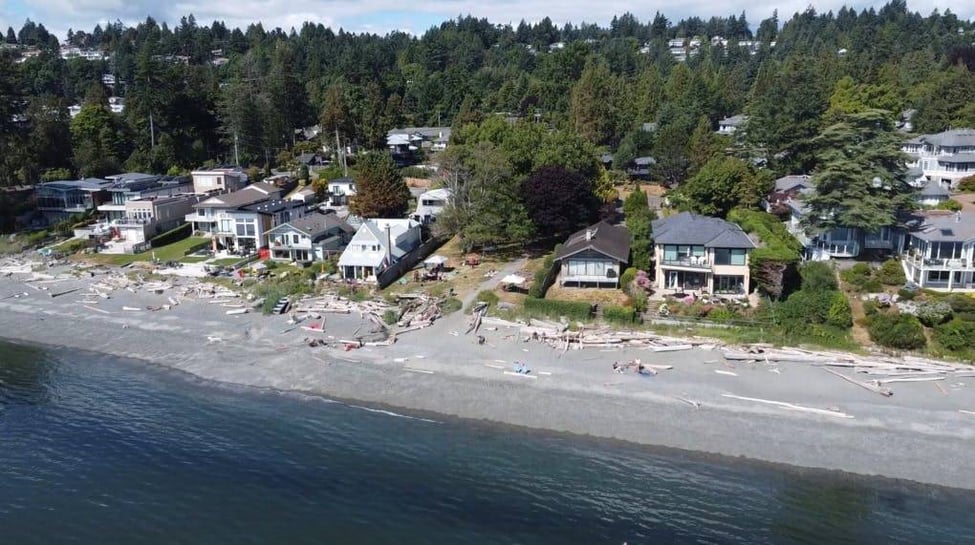
Waterfront and View Premium
Water and views matter—a lot.
Neighbourhoods with:
- Oceanfront
- Water views
- Natural surroundings
…consistently command higher prices and stronger appreciation.
- Oak Bay waterfront remains highly desirable
- Sidney benefits from its coastal setting
- Esquimalt is seeing increased interest with waterfront improvements
👉 This is one of the most consistent premiums in real estate
New Development and Infrastructure
Growth follows investment.
Neighbourhoods seeing:
- New housing developments
- New schools and parks
- Retail and infrastructure upgrades
…tend to appreciate faster.
Langford and Colwood are prime examples—ongoing development continues to attract buyers and support price growth.
Areas with little change or investment typically see slower appreciation.
👉 Pay attention to where money is being spent
Community Character and Lifestyle
Buyers don't just buy homes—they buy into a lifestyle.
Neighbourhoods with:
- Restaurants and cafés
- Walkability
- Strong community feel
…tend to attract more demand.
Victoria Core and Sidney both benefit from this "lifestyle factor."
More quiet, purely suburban areas can still perform well—but may not see the same level of rapid growth unless other factors are present.
👉 Perception and lifestyle matter more than people think
Housing Mix and Buyer Flexibility
Neighbourhoods with a mix of:
- Detached homes
- Townhomes
- Condos
…tend to see broader demand.
Saanich is a great example—it attracts:
- First-time buyers
- Move-up buyers
- Downsizers
This diversity creates a more stable and active market.
Neighbourhoods with only one housing type can be more limited in buyer pool.
Economic Drivers and Employment
At a broader level, areas near strong employment hubs tend to perform better.
- Healthcare (Victoria General, Royal Jubilee)
- Government
- Tech sector growth
Proximity to stable, well-paying jobs supports long-term housing demand.
Price Point Matters More Than You Think
One of the biggest (and most overlooked) factors:
👉 The $600K–$800K range often appreciates the fastest
Why? Because that's where the largest number of buyers compete.
- Mid-market homes = more demand = stronger growth
- Luxury markets (like Oak Bay) = smaller buyer pool
- Entry-level markets = more constrained buyers
Real Examples Across Greater Victoria
Here's how this plays out locally:
- Esquimalt: ~2–3%+ (gentrification + affordability)
- Sidney: ~2–3%+ (waterfront + infrastructure)
- Saanich family areas: ~1.5–2.5% (schools + accessibility)
- Oak Bay: ~0.5–1.5% (stable, already premium)
- Langford / Colwood: ~2–3%+ (growth + development)
The Investment Perspective
You shouldn't buy a home only based on appreciation—but understanding these dynamics gives you a major advantage.
Over time, even small differences matter:
- 1.5% vs 2.5% annual growth → becomes significant over 10+ years
Neighbourhoods seeing:
- Gentrification
- Infrastructure investment
- Strong family demand
…tend to offer the best long-term upside.
Final Thoughts
Real estate appreciation isn't random—it follows clear patterns.
If you understand:
- Where families want to be
- Where development is happening
- Where lifestyle is improving
…you can make much smarter decisions as a buyer or investor.
About Dan Juricic
I'm Dan Juricic, REALTOR® with RE/MAX Camosun. If you're trying to understand where the Victoria market is heading—or where the best opportunities are—I'd be happy to help.
Call or text me at 250-514-8261 or visit danjuricic.com.