
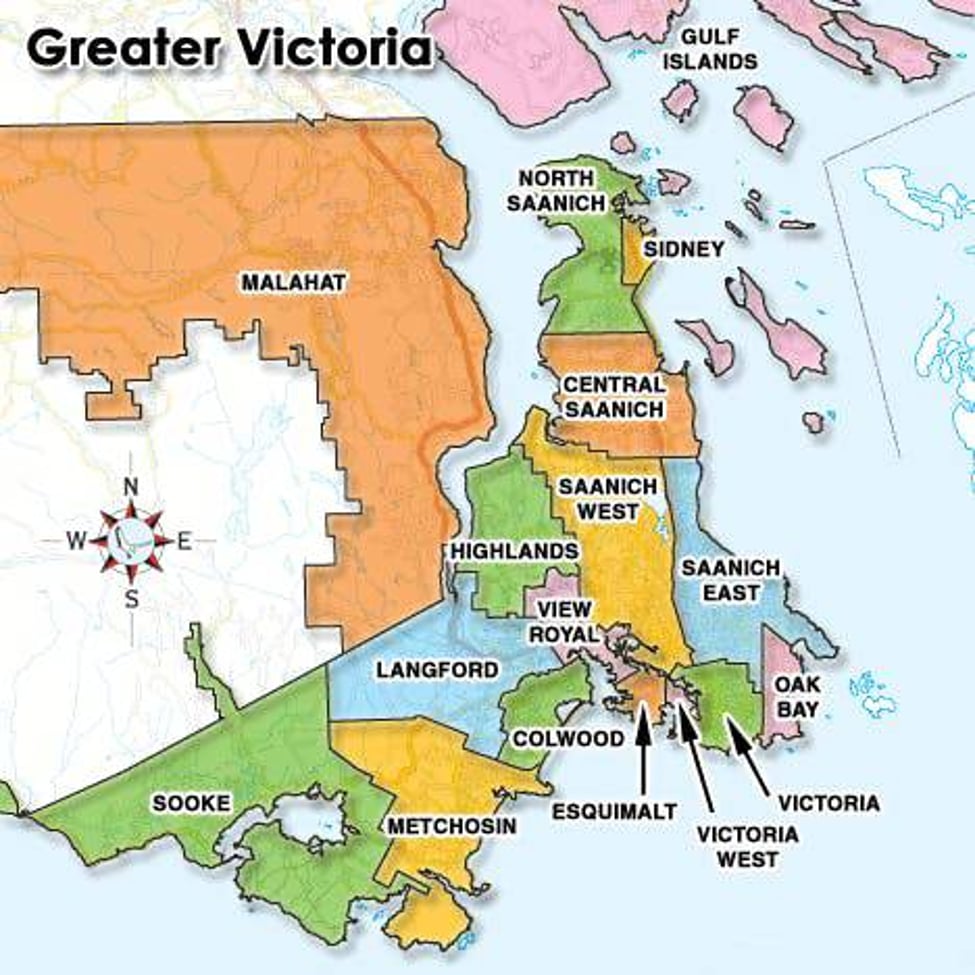
New housing developments are reshaping Greater Victoria. Langford and Colwood are experiencing unprecedented growth. Saanich is seeing new neighborhoods. How do these developments affect existing home prices? Let me explore this complex relationship.
New Development Drives Infrastructure and Services
Major new developments typically include infrastructure investment: roads, schools, parks, retail, transit. This investment benefits not just new homes but the existing community. When a new subdivision is built in Langford with a new elementary school, that school serves the entire area, increasing appeal to families. When new retail centers open, they serve the broader community. This infrastructure development increases the appeal and value of existing homes nearby. Communities with growth investment appreciate faster than stagnant communities.
New Supply Meets Demographic Demand
Greater Victoria's population is growing. New families are relocating, and existing families are expanding. New housing developments supply this demand. Langford and Colwood, which lacked sufficient housing, are now building at record pace. This new supply doesn't lower prices of existing homes—it meets demand that would otherwise be unmet. If you restrict new development, prices rise as demand is constrained. If you allow new development, supply and demand stay more balanced. New development in Langford/Colwood supports stable prices across the region.
Price Dynamics: New vs. Resale
New homes in Langford/Colwood typically sell for $750K–$900K, depending on size and finishes. Resale homes in Saanich or Victoria Core fetch higher prices. New homes compete on price, quality, warranty, and efficiency. Resale homes compete on location, character, and established communities. They serve different buyer segments. New development doesn't cannibalize resale prices because new buyers (first-time, upgraders from condos) wouldn't have purchased resale homes anyway—they're different markets.
Specific Examples: Langford's Rapid Growth
Langford has experienced explosive new construction. Major projects (Forest Gate, Colwood Corners, Langford Landing) have added hundreds of homes. This growth has also brought: new schools, new rec center, new retail, improved roads, improved transit access. Has this crashed existing home prices in Langford? No. Existing homes in Langford are stable to slightly appreciating because the infrastructure and growth make Langford more attractive, not less. Langford prices remain lower than inner Victoria, but they're appreciating as the neighborhood matures.
Saanich's Measured Growth
Saanich is growing, but more slowly than Colwood/Langford. New subdivisions appear, but existing neighborhoods remain stable. Saanich's strong school reputation, established community, and proximity to Victoria make it stable even with new development. New homes are selling, and resale homes continue appreciating. The two markets coexist because Saanich has enough growth to keep it vital without overwhelming existing communities.
What Could Dampen Existing Home Prices?
Prices would be dampened if: 1) Excessive new supply flooded the market, 2) New developments were significantly cheaper, drawing all buyers away from resale, or 3) Infrastructure lagged development, creating congestion and poor conditions. Neither condition currently exists in Greater Victoria. New development is measured relative to demand. These conditions would need to change significantly to dampen existing home prices.
Long-Term Value: Why New Development Generally Supports Appreciation
Think historically: areas that grew and developed became valuable. Areas that restricted development and stagnated became less desirable. Growth communities attract investment, jobs, and young people. Stagnant communities lose appeal. Greater Victoria is smart to allow measured growth in Langford/Colwood while protecting established neighborhoods like Oak Bay. This mixed approach supports broad appreciation across the region.
Risks of Development: Overdevelopment
The primary risk is overdevelopment—too many homes too fast that outpace absorption. If Langford were to have 2,000 new homes annually but demand is 800, prices would compress. This isn't currently happening, but it's a risk if zoning changes dramatically or developer appetite outpaces market reality. Monitor development pace in your area of interest.
Different Neighborhoods, Different Impacts
Development impact varies by neighborhood. In Langford/Colwood, new development is positive—it creates vibrancy and attracts families. In established neighborhoods like Oak Bay, new development is limited and mostly consists of infill or renovation. In transitional neighborhoods like Esquimalt, measured new development supports gentrification and appreciation.
Investment Perspective
If you're buying in a developing neighborhood (Langford/Colwood), understand that growth brings change. Schools will be crowded initially, then new schools open. Roads will be congested initially, then widened. If you're uncomfortable with growth and change, buy in established neighborhoods. If you're bullish on growth and want part of appreciation, developing neighborhoods offer opportunity. Both strategies work—they serve different buyer preferences.
I'm Dan Juricic, a REALTOR® with RE/MAX Camosun. If you have questions about the Victoria market, I'd love to help. Call or text me at [phone] or visit danjuricic.com.